HCG Monotherapy: The TRT Alternative Most Clinics Don’t Mention

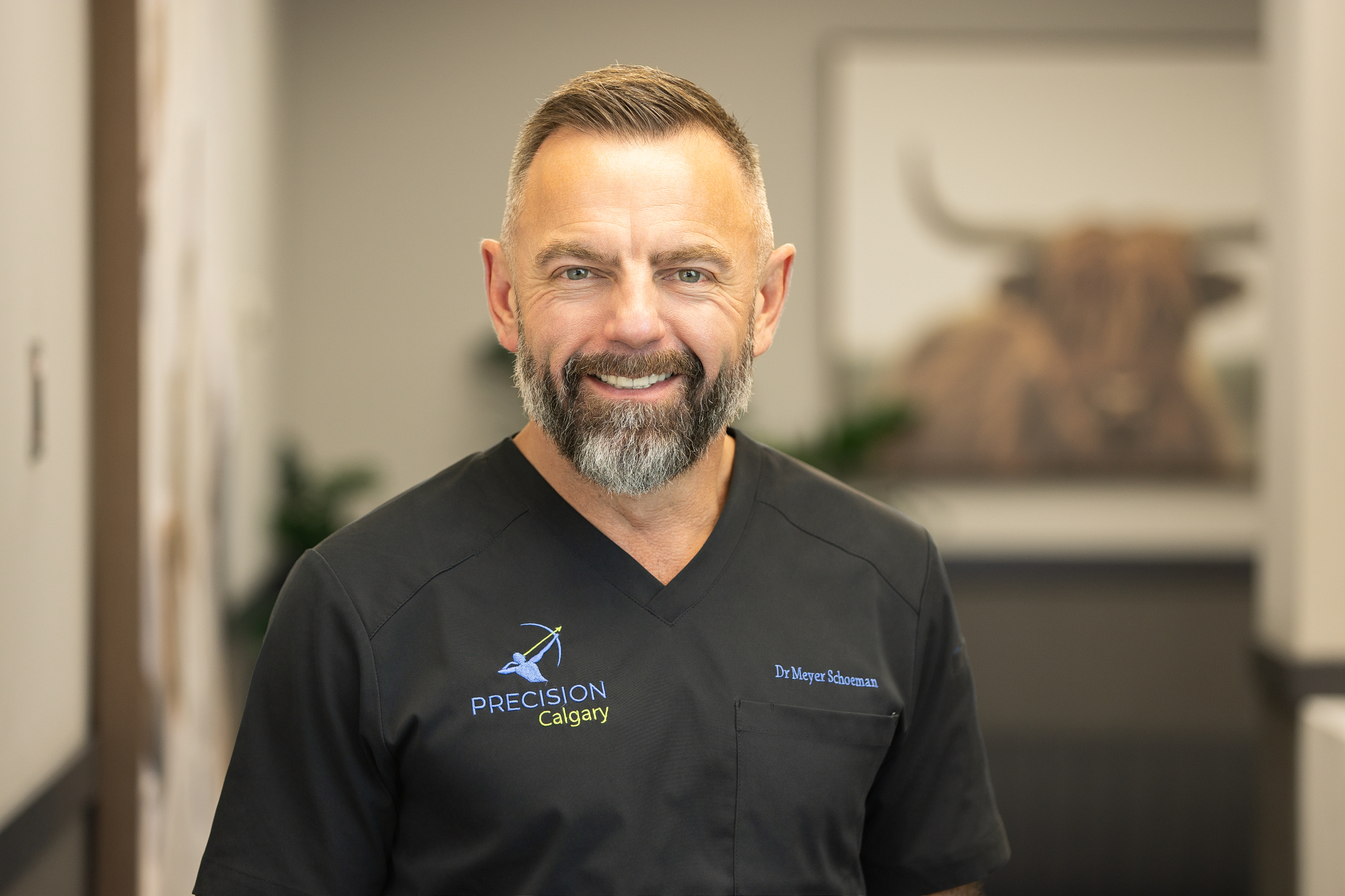
By Dr. Meyer Schoeman, MD — Precision Sexual Health Clinic, Calgary

When most men hear “testosterone therapy,” they assume the treatment involves testosterone — an injection, a gel, a patch. That’s usually true. But there’s a subset of men for whom the better option involves no exogenous testosterone at all.

Human chorionic gonadotropin — HCG — is not a testosterone replacement. It’s a signal. And for the right patient, that signal is exactly what’s needed.

How HCG Works in Men

HCG is a glycoprotein hormone that binds to and activates the LH receptor. In men, LH is the signal the pituitary sends to the Leydig cells of the testes instructing them to produce testosterone. HCG mimics that signal with high affinity — it binds the same receptor, produces the same downstream effect, and stimulates intratesticular testosterone synthesis without suppressing the hypothalamic-pituitary axis the way exogenous testosterone does.

This is the critical distinction. When you inject testosterone, the HPG axis reads the circulating androgen levels as sufficient and downregulates GnRH, LH, and FSH. The testes receive no stimulation, intratesticular testosterone falls, spermatogenesis is suppressed, and testicular volume decreases over time. When you administer HCG instead, you’re delivering the stimulating signal directly — the testes remain active, intratesticular testosterone is maintained, and the axis is not suppressed in the same way.

Who Is a Good Candidate for HCG Monotherapy

HCG monotherapy is not the right choice for every man with low testosterone, and it’s important to be clear about that. Men with primary hypogonadism — where the testes themselves are the problem, due to damage, genetic conditions, or prior treatment — will not respond adequately to HCG because the Leydig cells themselves are dysfunctional. No amount of LH-receptor stimulation will produce testosterone from tissue that can’t respond.

Where HCG monotherapy performs well is in secondary hypogonadism — where the testes are capable of producing testosterone but aren’t receiving adequate stimulation from the pituitary. This accounts for the majority of testosterone deficiency cases in otherwise healthy men. Obesity, insulin resistance, elevated oestrogen, head trauma, chronic stress, and sleep disruption can all impair the HPG axis at the hypothalamic or pituitary level while leaving testicular function largely intact.

Men in this category who are also concerned about fertility make particularly strong candidates. HCG not only raises serum testosterone but does so while maintaining — and in some cases improving — spermatogenesis. For a man in his 30s who wants to optimise his hormonal health without foreclosing his reproductive options, this is a meaningful advantage.

The Limitations Are Real

It would be misleading to present HCG monotherapy as universally superior. The literature is consistent that while HCG can successfully raise serum testosterone levels, the symptomatic response — particularly for libido and erectile function — is generally less robust than with exogenous testosterone combined with HCG. The 2021 CUA guidelines acknowledge HCG monotherapy as a valid treatment option while noting this limitation explicitly.

There are also practical considerations with HCG therapy. Unlike testosterone replacement therapy, HCG requires regular subcutaneous injections, often administered two to three times per week. It also requires proper storage, including refrigeration. In Canada, HCG is a Health Canada–approved prescription medication, although its approved uses are not specifically the same as testosterone replacement therapy. Access, availability, and coverage may vary depending on the pharmacy and insurance plan.

HCG monotherapy treatment option for men with low testosterone in Calgary Fertility-preserving hormone therapy using HCG for men in Calgary HCG and testosterone optimization consultation at Calgary men's health clinic

HCG as Part of a Combination Protocol

For many men, the most effective approach isn’t HCG alone or testosterone alone, but both together. Low-dose HCG alongside a microdosing testosterone protocol maintains testicular function and intratesticular testosterone production while achieving the symptomatic benefits of exogenous androgen replacement. This is the protocol we use most commonly for men who want comprehensive treatment without sacrificing fertility potential or testicular volume.

Protocol Comparison at a Glance

Treatment Protocol

Primary Mechanism

Fertility Impact

Testicular Volume

Traditional TRT

Replaces testosterone exogenously

Suppresses spermatogenesis

Tends to decrease (atrophy)

HCG Monotherapy

Mimics LH to stimulate natural production

Preserves/improves fertility

Maintained active function

Combination Therapy

Exogenous TRT + Low-dose HCG

Preserves fertility pathways

Maintained volume & function

The key is that the conversation about HCG — as monotherapy or as a co-treatment — needs to happen before testosterone is initiated, not after a man has been on depot injections for two years and is wondering why his testes have atrophied. Fertility preservation is much more straightforward to plan proactively than to rescue retroactively.

Choosing Your TRT Clinic in Calgary

If you’re evaluating a TRT clinic and fertility or testicular function matters to you, ask directly: is HCG part of your protocol? Is monotherapy an option you assess for? If neither question gets a clear, confident answer, the clinic is not thinking about this carefully enough.

Choosing the right approach for managing low testosterone depends on your symptoms, goals, health history, and long-term plans. At Precision Calgary, our team provides personalized Testosterone Replacement Therapy consultations to help you understand your options and develop a treatment plan based on your needs. Book a consultation today to discuss whether TRT may be the right choice for you.

Dr. Meyer Schoeman is the founder of Precision Sexual Health Clinic for Men in Calgary. HCG monotherapy and HCG co-administration are core components of the clinic’s testosterone protocols. Book a consultation at precisioncliniccalgary.ca.