PRP for Erectile Dysfunction: Who It’s For and What to Expect

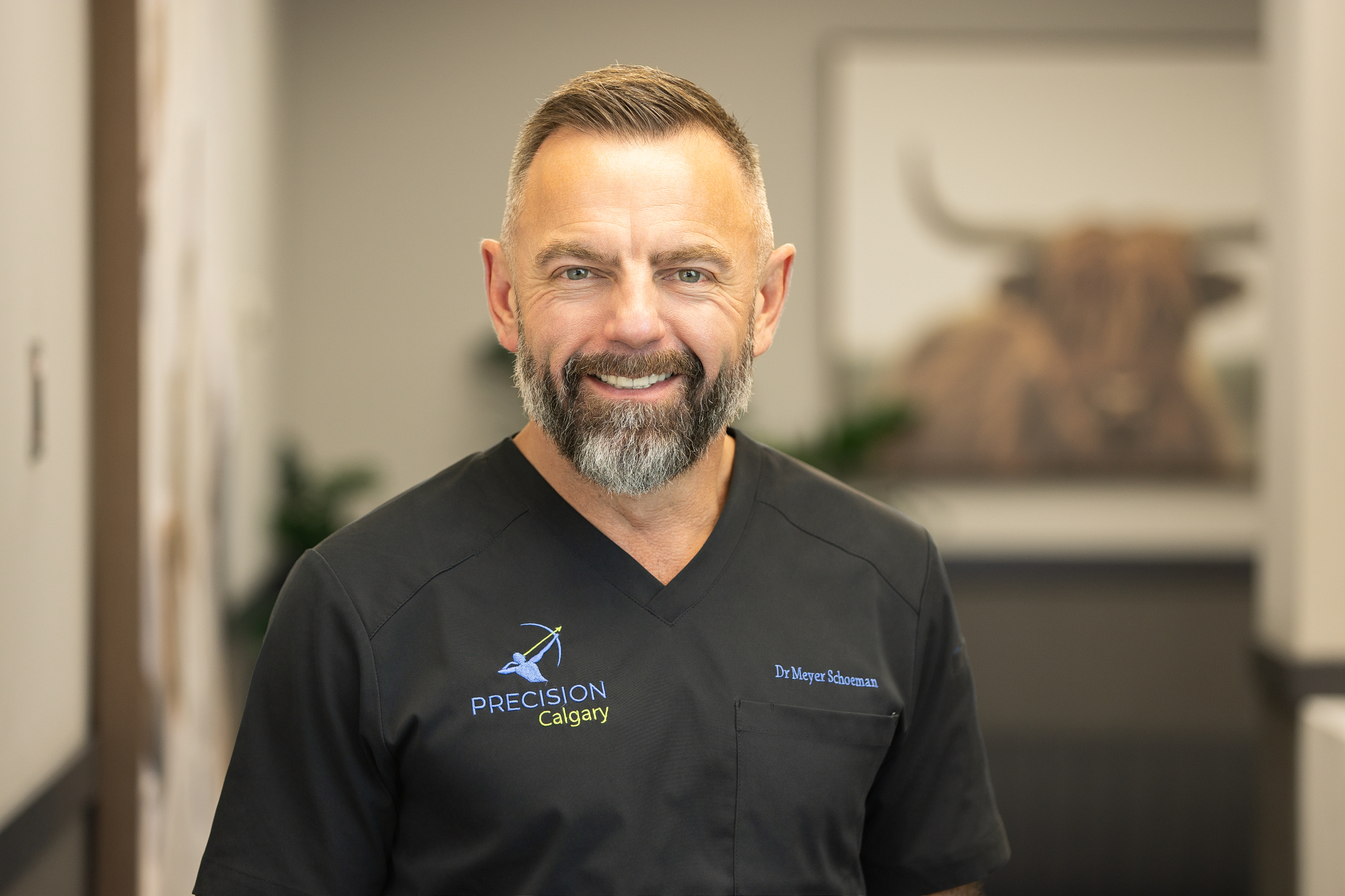
By Dr. Meyer Schoeman, MD — Precision Sexual Health Clinic, Calgary

Platelet-rich plasma therapy for erectile dysfunction sits in an interesting position in the evidence landscape. The biological rationale is solid. The clinical evidence base is growing but not yet as robust as for shockwave therapy. The marketing around it, particularly under branded names, has frequently outpaced the science.

Here is an honest clinical picture of what PRP is, what the evidence supports, and who is likely to benefit.

The Mechanism

PRP is prepared by centrifuging a small volume of the patient’s own blood to concentrate platelets above physiological levels — typically three to five times baseline platelet concentration. Platelets are rich in growth factors: platelet-derived growth factor (PDGF), transforming growth factor-beta (TGF-β), vascular endothelial growth factor (VEGF), insulin-like growth factor (IGF), and epidermal growth factor (EGF), among others. When activated and injected into target tissue, these growth factors promote cellular proliferation, angiogenesis, and tissue repair.

In the context of erectile dysfunction, PRP is injected into the corpus cavernosum. The proposed mechanism involves promoting smooth muscle cell regeneration, endothelial repair, and neovascularisation — essentially addressing the tissue-level consequences of vasculogenic and fibrotic disease that underlie erectile dysfunction. Unlike PDE-5 inhibitors, which modulate an existing physiological pathway, PRP aims to restore the structural and cellular substrate that the pathway depends on.

What the Evidence Shows

The clinical evidence for PRP in ED is earlier-stage than for Li-ESWT. Randomized controlled trials exist but are fewer, smaller, and more heterogeneous in protocol. A systematic review published in Sexual Medicine Reviews found improvements in IIEF scores in most clinical studies but noted substantial variability in PRP preparation methods, injection techniques, platelet concentrations, treatment protocols, and patient selection, making direct comparison between studies difficult. Subsequent meta-analyses have similarly reported improvements in erectile function while concluding that larger, standardized randomized trials are needed before firm recommendations can be made.

The most consistent signal in the literature is that PRP produces meaningful improvement in men with mild-to-moderate ED, particularly when combined with other restorative treatments. The combination of Li-ESWT and PRP has been studied and shows additive benefit — the two treatments target overlapping but distinct aspects of erectile physiology, and their effects may be complementary.

Who Is a Good Candidate

PRP is best suited to men with vasculogenic or mixed-aetiology ED,  particularly those with mild-to-moderate disease who retain some erectile capacity. Like shockwave therapy, it is unlikely to produce meaningful benefit in men with severe cavernous fibrosis or end-stage vasculogenic disease, where the structural substrate for recovery is significantly compromised.

It is also an option for men who have responded to shockwave therapy but want to consolidate or extend the treatment effect, or for men who have contraindications to pharmacological approaches and are seeking a non-drug restorative option.

Men with post-prostatectomy ED represent a specific subgroup where PRP is being studied. The proposed benefit is neuroprotection and cavernosal tissue preservation during the nerve recovery period following nerve-sparing prostatectomy. The evidence here is preliminary, but the rationale is biologically plausible and the intervention carries minimal risk given the autologous nature of the treatment.

What to Expect

The procedure involves a blood draw, centrifugation to prepare the PRP, and injection into the corpus cavernosum under local anaesthesia. Most men tolerate the procedure well. There is typically minimal downtime.

Response is not immediate. Growth factor-mediated tissue repair occurs over weeks to months. Most patients are assessed at six to twelve weeks post-treatment. Some require repeat treatment. As with all restorative therapies, ongoing management of underlying vascular risk factors — blood pressure, lipids, glycaemic control, exercise, smoking cessation — is essential to maintaining benefit over time.

PRP therapy for erectile dysfunction in Calgary PRP consultation for erectile dysfunction in Calgary Evidence based PRP treatment for ED in Calgary men

The Honest Position

PRP for ED is a legitimate clinical option with a credible mechanism and a growing evidence base. It is not a cure and it is not for everyone. The men most likely to benefit are those with early-to-moderate vasculogenic disease who are committed to a comprehensive approach that includes lifestyle optimisation alongside restorative treatment. For those men, it is a meaningful addition to the available toolkit, particularly in combination with shockwave therapy.

Take the first step and book a consultation at Precision Clinic Calgary today.

Dr. Meyer Schoeman is the founder of Precision Sexual Health Clinic for Men in Calgary, offering PRP therapy as part of a comprehensive, evidence-based ED treatment programme. Book a consultation at precisioncliniccalgary.ca.