The Psychological Burden of Peyronie’s Disease — and Why It’s Part of the Clinical Picture

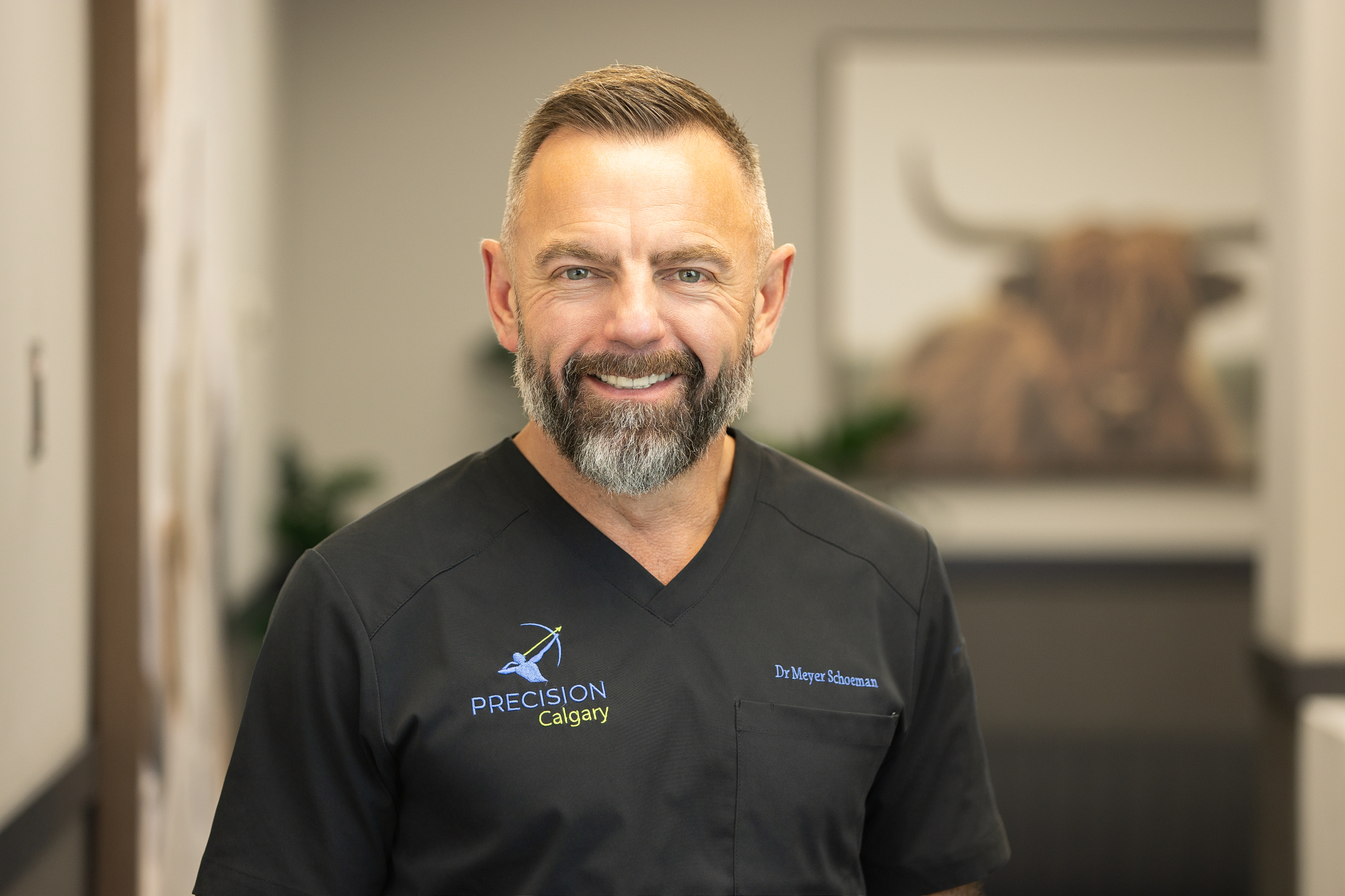
By Dr. Meyer Schoeman, MD — Precision Sexual Health Clinic, Calgary

Peyronie’s disease is a physical condition with a psychological impact that is, in many men, as disabling as the physical deformity itself. The clinical literature is consistent on this point, and it is a dimension of the condition that is frequently underaddressed in treatment planning.

Understanding the psychological burden :  what drives it, how it presents, and how it factors into treatment decisions ,  is not a soft addition to the clinical picture. It is a core part of it.

What the Data Shows

Among men with Peyronie’s disease who complete validated depression questionnaires, nearly 50% meet the threshold for clinically meaningful depression. Just over 50% report significant relationship stress attributable to their condition. These are not trivial numbers. They describe a condition that, in a substantial proportion of affected men, produces psychiatric comorbidity at rates comparable to major medical diagnoses.

The mechanisms are multiple. The physical deformity itself — visible change in a body part intimately connected to identity, masculinity, and sexual function — can produce grief, shame, and body image disturbance. The functional consequences :  painful erections, difficulty with penetration, or complete inability to engage in sexual activity , generate anticipatory anxiety and avoidance. The relationship consequences, such as withdrawal from intimacy, communication breakdown, partner distress — compound the individual burden.


How It Presents in the Clinic

Men with significant psychological distress related to Peyronie’s often present late, minimise their symptoms when asked direct questions, or frame their chief complaint exclusively in physical terms while avoiding any discussion of the emotional impact. Some have withdrawn from sexual activity entirely and present it as a preference rather than a consequence of the condition.

Partners are frequently not included in initial consultations but are often significantly affected. The partner’s experience — confusion about what has changed, concern about causing pain, their own sense of loss or rejection — is part of the clinical picture whether or not they are present in the room.

Peyronie’s disease and mental health counselling

Why It Matters for Treatment

Psychological distress in Peyronie’s disease is not simply a consequence to be managed after the physical problem is resolved. It interacts with treatment outcomes in clinically meaningful ways.

Anxiety and avoidance reduce sexual frequency, which impairs the rehabilitation of erectile function during and after treatment. Depression reduces treatment adherence. Body image disturbance can persist even after curvature is successfully corrected. Men who had significant preoperative psychological distress are more likely to have suboptimal satisfaction after surgery, even when the physical outcome is objectively good. Addressing the psychological dimension as part of the treatment plan, not after it, produces better overall outcomes.

Sex therapy — individually or with a partner — has a specific role in Peyronie’s disease management that goes beyond the general application of psychological support. A sex therapist with experience in sexual medicine can address performance anxiety, reframe intimacy expectations, support couples through the impact on their relationship, and facilitate the resumption of sexual activity in a structured, graduated way that reduces the anxiety response. This is not a supplementary nicety. For men with significant psychogenic overlay, it may be the intervention that determines whether physical treatment translates into functional recovery.

What to Expect When You Come In

A thorough Peyronie’s assessment includes questions about the psychological impact of the condition; not because it is a prerequisite for treatment, but because understanding the full clinical picture allows for a treatment plan that addresses what is actually bothering the man, not just what is visible on examination.

Men who come in expecting to discuss only the physical aspects of their condition are sometimes surprised to be asked about their emotional response, their relationship, and their sexual confidence. Those questions are not tangential. They are part of understanding what recovery actually needs to look like for that individual.

Take the first step and book a consultation at Precision Clinic Calgary today.

Dr. Meyer Schoeman is the founder of Precision Sexual Health Clinic for Men in Calgary. The clinic’s Peyronie’s disease programme integrates physical treatment with sex therapy referral and psychological support as part of a comprehensive care plan. Book a consultation at precisioncliniccalgary.ca.