Five Reasons Men Quit TRT, And Why They Didn’t Have To

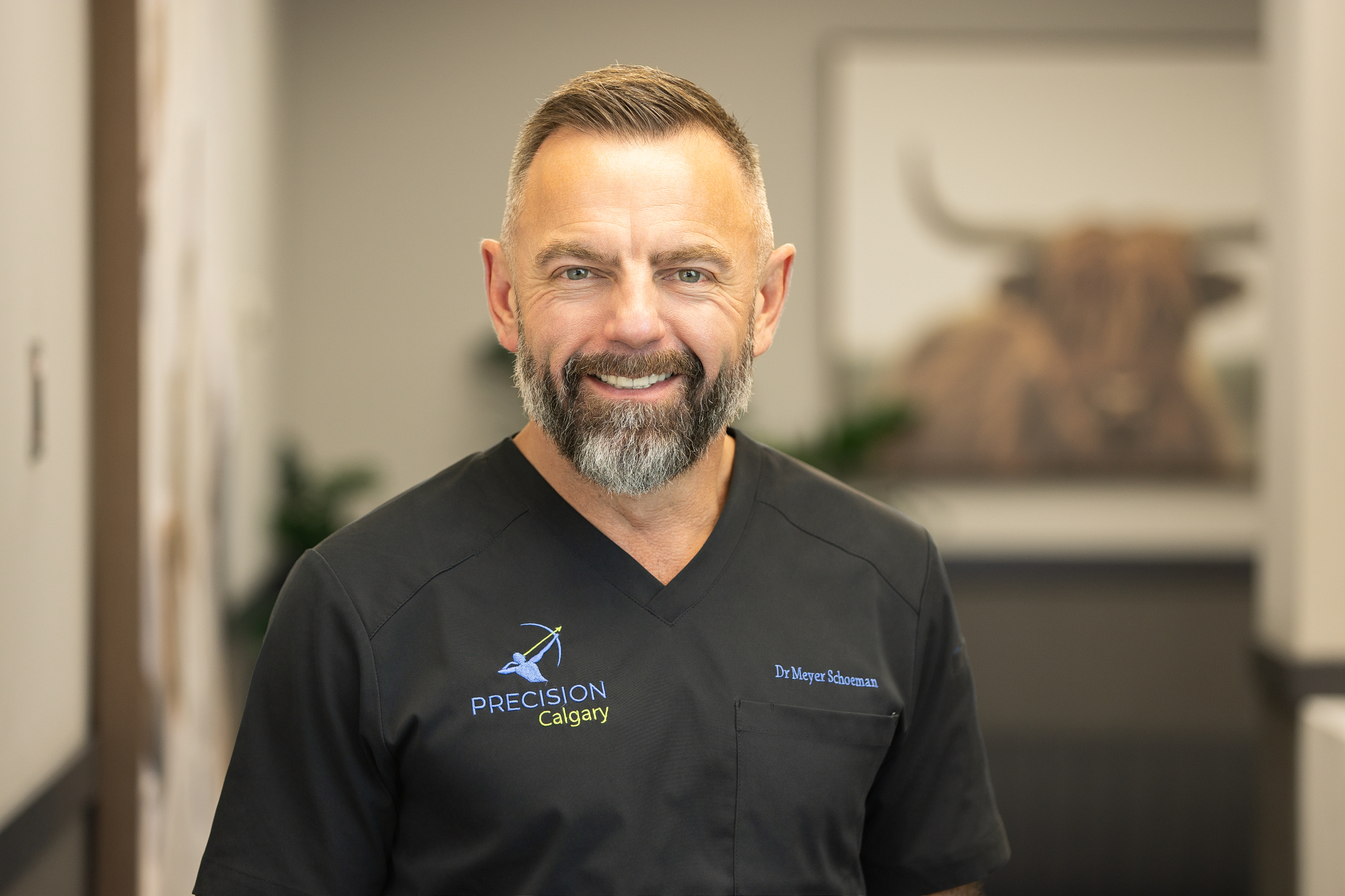
By Dr. Meyer Schoeman, MD — Precision Sexual Health Clinic, Calgary

I see a specific type of patient fairly regularly: a man who was diagnosed with low testosterone and tried testosterone therapy somewhere else, had a bad experience, stopped, and spent the next year or two feeling worse than before he started. He’s sceptical. He’s frustrated. And he’s usually convinced that TRT just doesn’t work for him.

In most of those cases, TRT didn’t fail him. The protocol did.

Here are the five most common reasons men abandon testosterone therapy — and what should have been done differently.

1. The Mood Swings Were Unbearable

This is the most frequent complaint I hear from men who’ve been on a depot injection protocol. They felt good for a few days after each shot, then increasingly flat, irritable, and low as the weeks wore on. The emotional volatility was worse than before they started.

This isn’t a testosterone problem. It’s a pharmacokinetic problem. A large intramuscular dose every two to three weeks produces a sharp hormonal peak followed by a prolonged trough. The brain notices these fluctuations. Subcutaneous microdosing — small injections daily or every other day — produces stable serum levels and, with them, stable mood. Men who switch from depot to microdosing consistently report this as the most significant quality-of-life improvement in their protocol.

2. Erections Got Worse, Not Better

This one is counterintuitive and deeply demoralising for men who started TRT specifically to address erectile dysfunction. If anything, they expected improvement. Instead, things declined.

In most cases, this is an estradiol issue. Rising testosterone substrate drives increased aromatization. Estradiol climbs above the optimal window for erectile function (which requires balance, not simply high testosterone) and the result is exactly what the man experienced. Without estradiol monitoring, nobody caught it. The solution is rarely to stop TRT. It’s to measure estradiol and manage it appropriately.

Common reasons men stop testosterone replacement therapy TRT monitoring and personalized testosterone treatment in Calgary Calgary doctor reviewing testosterone therapy results with a patient

3. Nothing Actually Changed

Some men give TRT a genuine trial — three to six months — and report no meaningful improvement in energy, libido, mood, or body composition. They conclude the therapy doesn’t work and stop.

The most common explanation I find in these cases is that the dose was inadequate or the monitoring was insufficient to catch non-response early enough to adjust. Testosterone response is individual — the same dose produces meaningfully different serum levels in different men based on absorption, SHBG, and metabolic factors. Without follow-up labs at six and twelve weeks to verify that the protocol is actually achieving target levels, you have no idea whether the therapy failed or whether the man simply never had adequate exposure.

The second explanation is that testosterone wasn’t the primary driver of the symptoms to begin with. A man with profound fatigue from untreated sleep apnoea, or mood symptoms from clinical depression, will not see those resolve with TRT — because TRT doesn’t treat those conditions. A thorough initial assessment matters precisely because it distinguishes men who are genuinely hypogonadal from men whose symptoms have a different primary cause.

4. They Were Worried About Prostate Cancer

This concern has deep roots — the historical Huggins hypothesis that testosterone drives prostate cancer growth was taught as fact for decades and shaped prescribing culture significantly. It also isn’t supported by the current evidence base.

The relationship between testosterone and prostate cancer is more accurately described by the saturation model: prostate androgen receptors saturate at relatively low testosterone levels, meaning that raising testosterone from deficient to normal does not produce proportional increases in prostate stimulation. Large epidemiological studies have not demonstrated increased prostate cancer incidence in men on TRT. The 2018 Lisbon Consensus from the International Consultation on Sexual Medicine reviewed this literature extensively and concluded that appropriately selected and monitored patients do not face elevated prostate cancer risk from testosterone therapy.

The appropriate precaution is monitoring — baseline and periodic PSA, clinical review for urinary symptoms, and exclusion of suspected prostate cancer before initiating therapy. That’s standard practice in a responsible protocol. It is not a reason to deny therapy to a symptomatic hypogonadal man.

5. Nobody Was Monitoring Them

Perhaps the most common thread across all of the above: the man was started on testosterone, given a prescription, and largely left to manage on his own. No follow-up labs. No dose adjustment. No assessment of how he was actually responding. When problems emerged, there was no clinical relationship in place to catch and address them.

TRT is not a set-and-forget prescription. It’s an ongoing clinical relationship. Hormone levels, haematocrit, estradiol, PSA, and symptom response need regular review — particularly in the first six to twelve months when the protocol is being dialled in. Men who are properly monitored don’t need to quit because problems get identified and corrected before they become reasons to stop.

If You’ve Tried TRT Before and It Didn’t Work

The question worth asking is not whether TRT works. The evidence is substantial when treatment is provided to the right patient, using the right protocol and appropriate monitoring. The more important question is whether your previous experience reflected TRT done properly. For many men who stop treatment, the honest answer is no.

A carefully reassessed and personalized approach may lead to a very different experience. Book a consultation with Precision Sexual Health Clinic in Calgary to discuss what went wrong and whether a better-managed TRT protocol may be right for you.

Dr. Meyer Schoeman is the founder of Precision Sexual Health Clinic for Men in Calgary. The clinic offers comprehensive testosterone assessment combining full hormonal panels with detailed clinical history — because a number without context isn’t a diagnosis. Book a consultation at precisioncliniccalgary.ca.